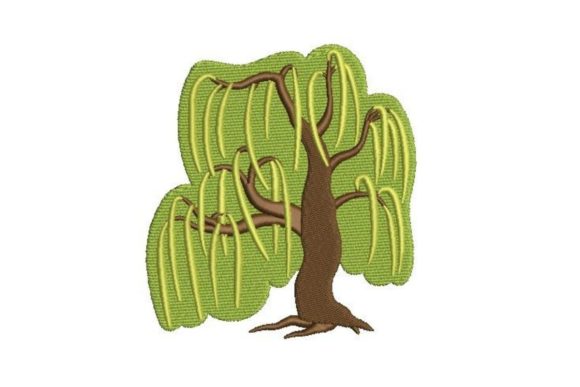
Weeping Willow
First Impressions: A Delicate Elegance
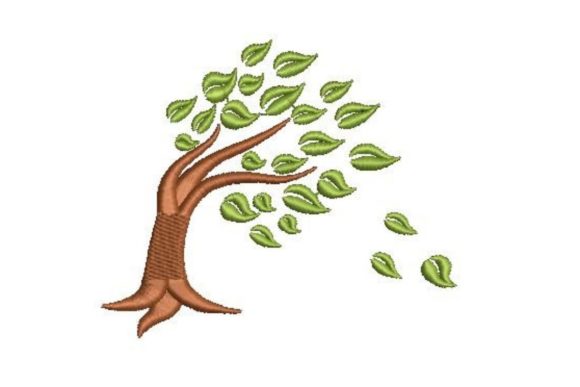
The Weeping Willow design immediately strikes a balance between soft and sophisticated. Its flowing branches and gentle leaves suggest a farmhouse or rustic aesthetic, which is highly appealing for craft fair and handmade market products. The title itself hints at a natural, calming vibe that resonates well with customers seeking handmade product that feels both cozy and refined.
Design Performance on Popular Craft Fair Products
The Weeping Willow embroidery file works exceptionally well across a range of craft fair products. On tote bag designs, it adds a touch of nature without overwhelming the overall look. For apron embroidery, the design complements the functionality of the item while enhancing its visual appeal. Similarly, tea towel embroidery benefits from the Weeping Willow’s delicate lines and organic shapes, making it a standout feature in the kitchen.
When applied to embroidered patchs, the Weeping Willow maintains clarity and charm, even when scaled down. This makes it ideal for small shop products like fabric pouches or caps, where the design needs to be both visible and unobtrusive. Pillow covers and market bags also benefit from this design’s ability to blend into various styles—whether modern, rustic, or farmhouse.
Visual Appeal and Customer Attention
The Weeping Willow design has a strong visual presence, especially when displayed in a booth. Its flowing form draws the eye naturally, making it an excellent focal point for handmade product displays. The design’s stitch density and thread colors are well-balanced, ensuring that it remains clear and attractive even when viewed from a distance.
For online listings, the Weeping Willow performs well in printable mockups. It maintains its integrity across different fabric textures and colors, which is crucial for Etsy sellers looking to showcase their digital embroidery files effectively. The design’s versatility allows it to adapt to various commercial embroidery applications, making it a valuable asset for small businesses.
Practical Considerations for Production
Before mass production, it’s essential to test the Weeping Willow on scrap fabric. Pay attention to stitch density and ensure that the design doesn’t become too dense in certain areas, which can lead to puckering or distortion. The hoop size should be appropriate for the design’s scale, and using the right stabilizer will help maintain fabric stability during embroidery.
For dark fabric or textured towels, consider the thread colors used in the Weeping Willow design. High contrast threads will ensure visibility and vibrancy. Additionally, check if the design includes multiple embroidery file formats to accommodate different embroidery machines and software preferences.
Careful Use Notes
While the Weeping Willow is visually appealing, there are some considerations to keep in mind. Dense stitch areas may require additional stabilizer or careful handling to prevent fabric damage. Tiny details and small lettering should be tested on actual fabric to ensure they remain legible and intact. Curved surfaces, such as those found on caps, may need special attention to maintain the design’s shape and clarity.
For batch production, it’s important to create at least one real mockup before proceeding. This helps identify any potential issues related to fabric texture, stitching, or color contrast. Also, confirm that the design includes proper commercial licensing to avoid legal complications when selling finished products.
Impact on Brand Consistency and Booth Display
The Weeping Willow contributes positively to brand consistency by offering a cohesive and recognizable design element. Whether used on pillow covers, market bags, or booth samples, it reinforces a brand identity centered around nature and elegance. This consistency helps build customer recognition and trust, which is vital for small shop products and handmade product sellers.
In terms of booth display strength, the Weeping Willow stands out due to its unique and inviting design. It encourages customer interaction and engagement, making it an effective tool for attracting attention and driving sales at craft fairs and markets.
Final Thoughts for Embroidery Designers
As an experienced embroidery designer, I recommend the Weeping Willow for its versatility, visual appeal, and practicality. It’s a great choice for craft fair products that require both beauty and functionality. By following best practices such as testing on scrap fabric, reviewing design assets, and confirming commercial licensing, you can ensure that your finished products meet the highest standards of quality and professionalism.